

 Building Configurator
 Request a Quote

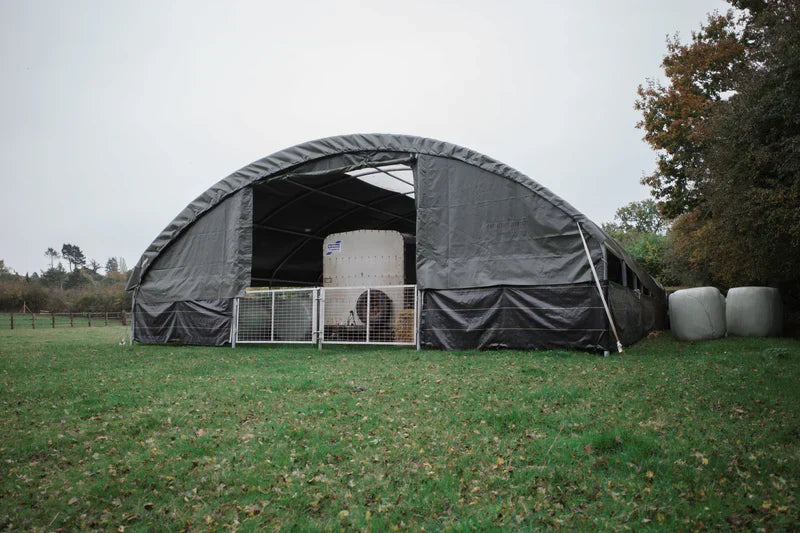
Planning Agricultural Buildings for Farm Growth
Agricultural buildings can help farms create practical covered space for machinery, livestock, feed, crops, equipment, workshops, and seasonal operations. As farming becomes more cost-sensitive and weather conditions become less predictable, the right building can support both daily farm work and long-term growth.
Before comparing agricultural building options, it is important to understand how the building will be used, what needs to be protected, and whether the structure needs to support storage, livestock, machinery, or future farm diversification.
Why Agricultural Buildings Matter for Farm Growth
Agricultural buildings are more than simple storage sheds. They can support the core operation of a farm by protecting valuable assets, improving workflow, and creating flexible space for changing seasonal needs.
The right structure can help reduce weather-related disruption, protect equipment from damage, keep feed and materials dry, and create safer working or animal-management areas.
Common Uses for Agricultural Buildings
Different farms need different building types. Some require simple covered storage, while others need stronger structures for livestock, machinery, feed, workshops, or multi-purpose use.
- Machinery storage: covered space for tractors, trailers, tools, and farm equipment.
- Livestock protection: shelter for cattle, sheep, horses, goats, or other animals.
- Feed and hay storage: dry space for feed, straw, hay, and agricultural materials.
- On-site workshops: practical space for repairs, maintenance, and farm operations.
- Multi-purpose storage: flexible space that can change with seasonal farm needs.
Why Steel-Framed Agricultural Buildings Are Commonly Used
Steel-framed agricultural buildings are often selected because they provide strength, durability, and clear internal space. This can be useful for farms that need wide access, open layouts, and enough room for machinery or animal movement.
Key advantages include:
- Faster installation: prefabricated components can reduce build complexity and help farms access usable space sooner.
- Clear internal space: wide spans can support machinery, livestock, storage, and mixed farm use.
- Durability: steel frames can support long-term outdoor and agricultural use.
- Low maintenance: suitable materials can help reduce repair and upkeep requirements over time.
Weather Protection and Asset Security
Weather exposure can damage equipment, reduce the quality of stored materials, and create operational delays. Agricultural buildings can help protect farm assets from rain, wind, snow, sunlight, and changing seasonal conditions.
For many farms, covered space is not only about storage. It can also improve daily work by keeping machinery accessible, protecting feed from moisture, and giving animals or staff a more practical working environment.
Flexible Buildings for Changing Farm Needs
Farm requirements can change over time. A building that starts as machinery storage may later support feed storage, livestock shelter, workshop use, or seasonal operations.
When planning an agricultural building, it is useful to think beyond the immediate need. Internal clearance, door access, ventilation, surface type, and future expansion should all be considered before choosing the final specification.
What to Consider Before Choosing an Agricultural Building
Before investing in a new agricultural building, farms should review the site, intended use, weather exposure, access routes, and long-term operational needs.
1. Location and layout
- Check access for tractors, trailers, livestock, or delivery vehicles.
- Review ground conditions, drainage, and site preparation needs.
- Consider wind exposure, sunlight, airflow, and surrounding buildings.
2. Building use
- Define whether the building is for machinery, livestock, feed, crops, storage, or workshop use.
- Confirm the internal space and height required.
- Plan door access around the largest machinery or equipment that needs to enter.
3. Future flexibility
- Allow for changing farm operations or seasonal requirements.
- Consider whether the building may need insulation, ventilation, or extra access points later.
- Think about whether the structure may need to support expansion over time.
Planning for Long-Term Farm Value
Agricultural buildings can support long-term farm value when they are planned around real operational needs. A well-chosen structure can reduce equipment damage, improve storage conditions, support animal welfare, and make daily work easier.
The best option depends on the type of farm, the required size, the level of weather protection needed, and how the building will be used across the year.
Agricultural Building Planning Checklist
- Define the main use: machinery, livestock, feed, crops, workshop, or general storage
- Confirm the required width, length, height, and internal clearance
- Review site access for machinery, animals, and delivery vehicles
- Check drainage, ground conditions, and weather exposure
- Decide whether ventilation, insulation, or additional doors are needed
- Plan for future changes in farm activity or storage needs
- Check any local approval or planning requirements before installation
Choosing the Right Agricultural Building
Agricultural buildings can give farms the covered space they need for storage, livestock protection, equipment cover, and long-term operational flexibility. The right structure should match the site, the farm workflow, and the assets being protected.
To compare available building types, review the agricultural building options.