
 Building Configurator
 Request a Quote

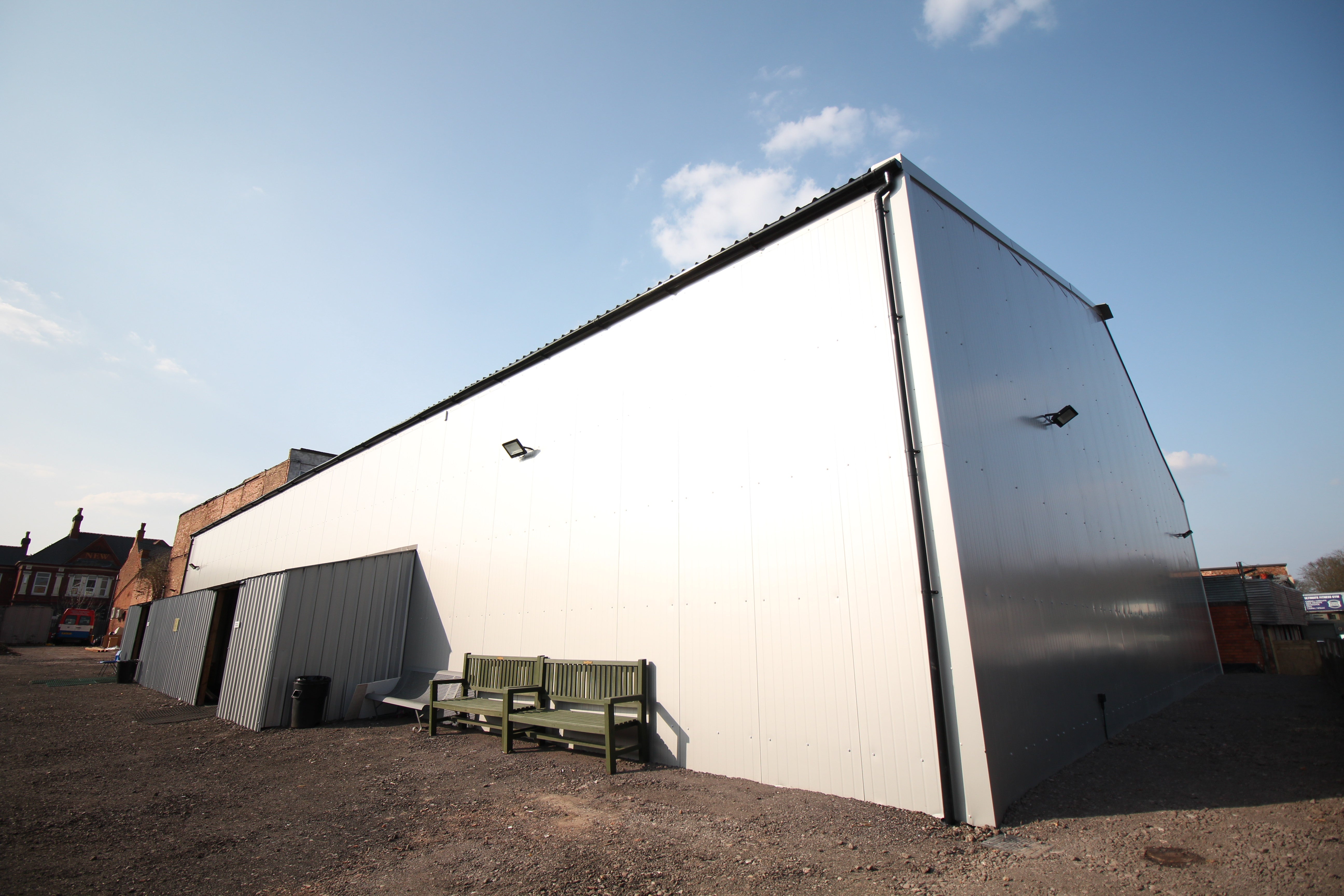
Planning an Insulated Workshop or Steel Building
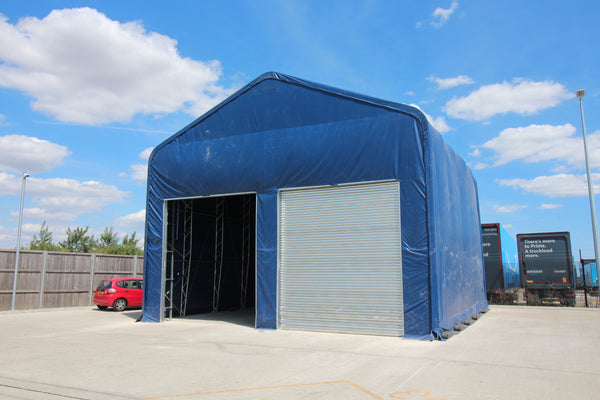
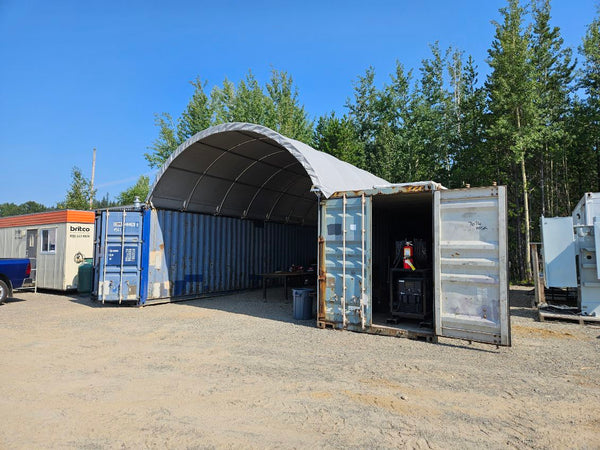
Planning an insulated workshop or steel building starts with understanding how the space will be used. Some customers need a workshop for daily operations, while others need secure storage, temperature control, vehicle space, or a flexible building for commercial use.
Before choosing a building size or layout, it is important to consider access, insulation, door requirements, internal working space, and long-term use. For available product options, review the insulated steel building options.

Choosing the Right Building Size
The right size depends on how the building will be used. A smaller insulated steel building may be suitable for tools, vehicles, or light workshop activity, while larger buildings may be needed for storage, machinery, operations, or mixed commercial use.
When planning the size, consider the required floor space, internal height, door access, vehicle movement, equipment layout, and whether the building may need to support future growth.
Insulation and Temperature Control
Insulated steel buildings are useful when a standard uninsulated structure does not provide enough protection from temperature changes, condensation, or weather exposure. Insulation can help create a more comfortable and practical working environment throughout the year.
This is especially important for workshops, equipment storage, vehicle storage, and business operations where internal conditions affect usability, comfort, or stored materials.
Door and Access Requirements
Door choice has a direct impact on how practical the building is. A workshop may need pedestrian access, vehicle doors, roller shutter doors, or wider openings for machinery and deliveries.
Before choosing a door layout, consider how often the building will be accessed, what equipment needs to move in and out, and whether vehicles or machinery require extra clearance.
Customisation Options
Insulated steel buildings can often be configured around the project requirements. Size, doors, colours, layout, and access points may be adjusted depending on the site and intended use.
Colour options can also help the building fit better into the surrounding site, business premises, or agricultural environment.

Installation and Site Planning
Before installation, customers should consider the site surface, foundation or anchoring requirements, delivery access, unloading needs, and whether professional installation support is required.
A prepared site can help reduce installation delays and make the building easier to use once delivered.
Delivery and Project Planning
Delivery requirements depend on building size, destination, configuration, and availability. Larger or custom buildings may need more planning for transport, unloading, and site preparation.
Customers should confirm delivery access, unloading equipment, and any site limitations before placing an order.
Final Checklist Before Choosing an Insulated Steel Building
- Confirm the main use: workshop, storage, vehicles, machinery, or mixed use
- Choose the right size and internal height
- Review insulation and temperature-control needs
- Plan door size, access, and internal movement
- Check site preparation, foundation, and delivery access
- Consider colour, layout, and custom options
- Allow for future business or storage growth
Choosing the Right Insulated Workshop Building
An insulated steel building can provide practical covered space for workshops, storage, vehicles, and commercial operations. The best option depends on the size, access requirements, insulation needs, and long-term use of the building.
To compare available specifications and sizes, review the insulated steel building options.