
Private Aircraft Owner's Premium Storage Solution
Executive Summary
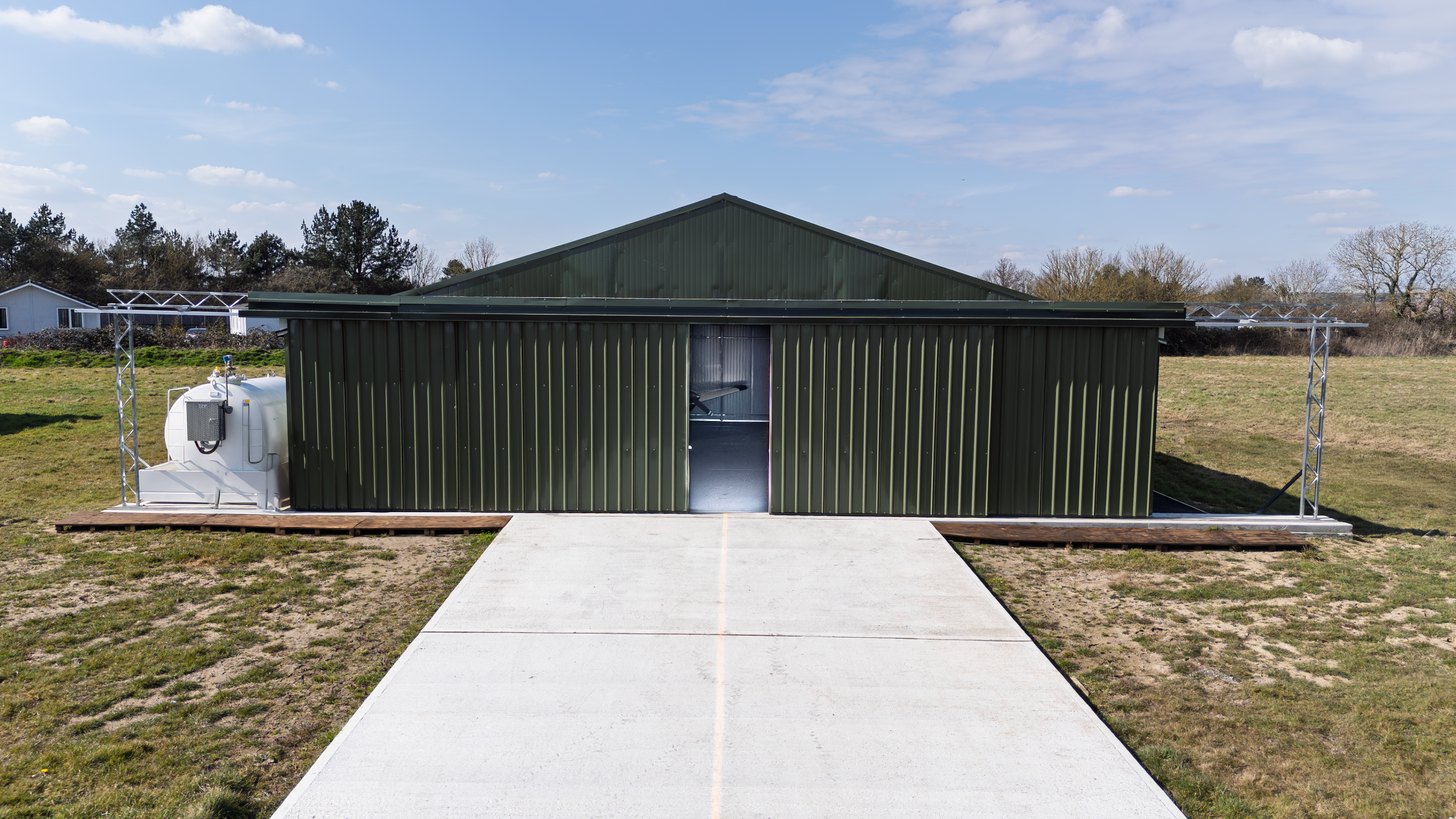
A private aircraft owner based at North Weald Airfield implemented a Steel Aircraft Hangar to provide secure, weather-protected storage for their aircraft. The installation has delivered professional-grade protection, enhanced aircraft preservation, and provided a dedicated space for maintenance and pre-flight preparation at one of the UK's historic aviation sites.
The Challenge
Private aircraft owners face unique storage and operational requirements:
Weather Exposure: Aircraft parked outdoors suffer accelerated deterioration from UV radiation, rain, temperature fluctuations, and environmental contaminants. Paint fades, seals degrade, and metal components corrode, significantly reducing aircraft value and airworthiness.
Security Concerns: Valuable aircraft and avionics represent substantial investments (£50,000-500,000+). Outdoor tie-down areas offer minimal security against theft, vandalism, or tampering, with insurance premiums reflecting elevated risk.
Operational Limitations: Outdoor aircraft storage complicates pre-flight preparations, routine maintenance, and annual inspections. Weather conditions restrict when maintenance can be performed, while lack of power and lighting limits operational flexibility.
Asset Value Protection: Aircraft are appreciating assets when properly maintained and preserved. Weather exposure and inadequate storage rapidly depreciate aircraft value, reducing resale potential and requiring premature refurbishment.
Airfield Hangar Availability: Commercial hangars at established airfields command premium monthly rental (£500-2,000+ depending on aircraft size and location). Availability is limited, with waiting lists common at popular general aviation airfields like North Weald.
Shared Facility Limitations: Shared hangars restrict access, require coordination with other owners, and limit ability to maintain personal tools, equipment, and parts inventory on-site.
The Solution
Steel Aircraft Hangar Specifications:
-
Size: 40ft x 50ft x 18ft (12m x 15m x 5.5m)
-
Construction: Hot-galvanized Q235 steel frame with ribbed steel cladding
-
Location: Private plot at North Weald Airfield, Essex
-
Configuration: Clear-span design with bi-fold door system
Key Features:
-
Clear-Span Design: Unobstructed 15m width and 12m depth accommodating single-engine aircraft with workspace
-
Adequate Height: 5.5m apex height providing clearance for high-wing aircraft and vertical stabilizer
-
Galvanized Steel Frame: Hot-dip galvanized construction ensuring corrosion resistance in aviation environment
-
Ribbed Steel Cladding: 0.7mm steel paneling delivering weather protection and security
-
Bi-Fold Door System: Wide-opening doors enabling easy aircraft ingress/egress
-
Secure Structure: Robust construction protecting valuable aircraft and equipment
-
Professional Finish: Aviation-appropriate appearance complementing airfield environment

Results and BenefitsComplete Aircraft Protection
The hangar has provided comprehensive protection for the aircraft:
-
Complete shelter from rain, snow, and UV radiation
-
Stable temperature environment reducing material stress
-
Protection from airfield contaminants (fuel vapors, exhaust)
-
Shielded from wind damage and storm debris
-
Preserved paint finish and exterior appearance
-
Extended component life (tires, seals, upholstery)
Enhanced Security
The dedicated hangar dramatically improved aircraft security:
-
Complete enclosure preventing unauthorized access
-
Secure storage for avionics and removable equipment
-
Protected tool and parts inventory
-
Deterrent to theft and vandalism
-
Reduced insurance premiums (typically 20-40%)
-
Peace of mind for aircraft owner
Operational Convenience
The private hangar transformed aircraft operations:
-
Convenient pre-flight preparation in weather protection
-
Ability to perform routine maintenance year-round
-
Personal workspace for inspections and servicing
-
Tool and equipment storage on-site
-
No scheduling conflicts with other hangar users
-
Direct access whenever required
Asset Value Preservation
Protected storage maintained aircraft investment:
-
Preserved aircraft condition supporting resale value
-
Avoided depreciation from weather damage
-
Maintained manufacturer specifications for warranty
-
Protected paint and interior from UV degradation
-
Extended time between major refurbishments
-
Demonstrated proper care for potential buyers
Cost-Effective Ownership
Compared to commercial hangar rental:
-
One-time capital investment: £23,000-32,000 (depending on specification)
-
Commercial rental avoided: £6,000-18,000+ annually
-
Payback period: 2-4 years versus ongoing rental
-
Owned asset with residual value
-
No rental increases or availability concerns
-
Long-term cost savings substantial over aircraft ownership period
North Weald Airfield Benefits
The location provided additional advantages:
-
Historic aviation heritage site
-
Active general aviation community
-
Excellent facilities and services
-
Convenient access to London and Southeast
-
Established infrastructure and support
-
CAA-licensed aerodrome status
Technical Specifications
Structural Framework:
-
Material: Hot-dip galvanized Q235 steel
-
Design: Clear-span lattice frame eliminating internal columns
-
Engineering: Aviation-specific load calculations
-
Warranty: 20-year structural warranty
-
Corrosion Protection: Hot-dip galvanization process
Cladding System:
-
Material: 0.7mm (22 gauge) ribbed steel panels
-
Properties: Weather-resistant, fire-resistant, impact-resistant
-
Finish: Powder-coated in aviation-appropriate color
-
Warranty: 6-year cladding warranty
-
Maintenance: Minimal requirements
Door System:
-
Type: Steel bi-fold doors
-
Opening: Wide-span providing aircraft clearance
-
Operation: Manual or electric options
-
Security: Robust locking mechanisms
-
Access: Convenient aircraft maneuvering
Foundation:
-
Type: Concrete slab with anchor points
-
Specification: Engineered for aircraft weight and hangar loads
-
Drainage: Integrated system preventing water accumulation
-
Finish: Sealed concrete suitable for aircraft operations
Why Steel Hangars Work for Private Owners
Clear-Span Advantage: The 15m width provides adequate clearance for single-engine aircraft with workspace on sides for maintenance activities and equipment storage.
Height Clearance: The 5.5m apex accommodates high-wing aircraft, vertical stabilizers, and provides comfortable working height for maintenance tasks.
Security: Robust steel construction provides substantially better security than fabric hangars, protecting expensive aircraft and avionics from theft.
Longevity: Steel construction with galvanized finish provides 40+ year lifespan, protecting multiple aircraft over ownership period.
Cost Efficiency: Capital investment approximately equivalent to 2-4 years commercial rental, with owned asset providing long-term value.
Industry Context
North Weald Airfield represents an ideal general aviation location:
Historic Heritage: Former RAF fighter station with rich aviation history dating to 1916, maintaining active role in British general aviation.
Active Community: Thriving community of private owners, flying clubs, and aviation businesses creating supportive environment.
Infrastructure: Excellent facilities including paved runways (5,900ft and 3,300ft), fuel services, maintenance facilities, and aviation support businesses.
Accessibility: Convenient location 20 miles northeast of London with good road access via M11 and M25, making weekend flying practical.
Development Opportunities: Available private plots for hangar construction, enabling aircraft owners to establish personal facilities.
Investment and ROI
Capital Investment: Steel Aircraft Hangar: £23,000-32,000 (depending on size and insulation options)
Annual Cost Avoidance:
-
Commercial hangar rental: £6,000-18,000
-
Reduced insurance premiums: £500-1,500
-
Avoided weather damage: £1,000-3,000
-
Total annual benefit: £7,500-22,500
Payback Period: 2-4 years depending on commercial rental rates avoided and insurance savings realized.
Long-Term Value:
-
40+ year hangar lifespan protecting multiple aircraft
-
Owned asset with residual value
-
Transferable with property or aircraft sale
-
Avoids rental escalation over decades
Planning Considerations
Airfield Requirements: Coordinate with North Weald Airfield management regarding plot availability, hangar specifications, and operational requirements.
Planning Permission: Consult Epping Forest District Council regarding planning requirements for aviation structures. Airfield location may simplify approval process.
Foundation Design: Ensure proper foundation specification for aircraft weight, hangar loads, and local ground conditions. Professional engineering recommended.
Utilities: Plan for electrical supply (lighting, power tools, battery charging), heating if required, and water supply for maintenance activities.
Access: Ensure adequate taxiway or roadway access for aircraft maneuvering between hangar and runway.
Insurance: Notify aircraft insurance provider of improved storage, typically resulting in premium reduction of 20-40%.
Conclusion
Executive Summary
A private aircraft owner based at North Weald Airfield implemented a Steel Aircraft Hangar to provide secure, weather-protected storage for their aircraft. The installation has delivered professional-grade protection, enhanced aircraft preservation, and provided a dedicated space for maintenance and pre-flight preparation at one of the UK's historic aviation sites.
The Challenge
Private aircraft owners face unique storage and operational requirements:
Weather Exposure: Aircraft parked outdoors suffer accelerated deterioration from UV radiation, rain, temperature fluctuations, and environmental contaminants. Paint fades, seals degrade, and metal components corrode, significantly reducing aircraft value and airworthiness.
Security Concerns: Valuable aircraft and avionics represent substantial investments (£50,000-500,000+). Outdoor tie-down areas offer minimal security against theft, vandalism, or tampering, with insurance premiums reflecting elevated risk.
Operational Limitations: Outdoor aircraft storage complicates pre-flight preparations, routine maintenance, and annual inspections. Weather conditions restrict when maintenance can be performed, while lack of power and lighting limits operational flexibility.
Asset Value Protection: Aircraft are appreciating assets when properly maintained and preserved. Weather exposure and inadequate storage rapidly depreciate aircraft value, reducing resale potential and requiring premature refurbishment.
Airfield Hangar Availability: Commercial hangars at established airfields command premium monthly rental (£500-2,000+ depending on aircraft size and location). Availability is limited, with waiting lists common at popular general aviation airfields like North Weald.
Shared Facility Limitations: Shared hangars restrict access, require coordination with other owners, and limit ability to maintain personal tools, equipment, and parts inventory on-site.
The Solution
Steel Aircraft Hangar Specifications:
-
Size: 40ft x 50ft x 18ft (12m x 15m x 5.5m)
-
Construction: Hot-galvanized Q235 steel frame with ribbed steel cladding
-
Location: Private plot at North Weald Airfield, Essex
-
Configuration: Clear-span design with bi-fold door system
Key Features:
-
Clear-Span Design: Unobstructed 15m width and 12m depth accommodating single-engine aircraft with workspace
-
Adequate Height: 5.5m apex height providing clearance for high-wing aircraft and vertical stabilizer
-
Galvanized Steel Frame: Hot-dip galvanized construction ensuring corrosion resistance in aviation environment
-
Ribbed Steel Cladding: 0.7mm steel paneling delivering weather protection and security
-
Bi-Fold Door System: Wide-opening doors enabling easy aircraft ingress/egress
-
Secure Structure: Robust construction protecting valuable aircraft and equipment
-
Professional Finish: Aviation-appropriate appearance complementing airfield environment
Results and BenefitsComplete Aircraft Protection
The hangar has provided comprehensive protection for the aircraft:
-
Complete shelter from rain, snow, and UV radiation
-
Stable temperature environment reducing material stress
-
Protection from airfield contaminants (fuel vapors, exhaust)
-
Shielded from wind damage and storm debris
-
Preserved paint finish and exterior appearance
-
Extended component life (tires, seals, upholstery)
Enhanced Security
The dedicated hangar dramatically improved aircraft security:
-
Complete enclosure preventing unauthorized access
-
Secure storage for avionics and removable equipment
-
Protected tool and parts inventory
-
Deterrent to theft and vandalism
-
Reduced insurance premiums (typically 20-40%)
-
Peace of mind for aircraft owner
Operational Convenience
The private hangar transformed aircraft operations:
-
Convenient pre-flight preparation in weather protection
-
Ability to perform routine maintenance year-round
-
Personal workspace for inspections and servicing
-
Tool and equipment storage on-site
-
No scheduling conflicts with other hangar users
-
Direct access whenever required
Asset Value Preservation
Protected storage maintained aircraft investment:
-
Preserved aircraft condition supporting resale value
-
Avoided depreciation from weather damage
-
Maintained manufacturer specifications for warranty
-
Protected paint and interior from UV degradation
-
Extended time between major refurbishments
-
Demonstrated proper care for potential buyers
Cost-Effective Ownership
Compared to commercial hangar rental:
-
One-time capital investment: £23,000-32,000 (depending on specification)
-
Commercial rental avoided: £6,000-18,000+ annually
-
Payback period: 2-4 years versus ongoing rental
-
Owned asset with residual value
-
No rental increases or availability concerns
-
Long-term cost savings substantial over aircraft ownership period
North Weald Airfield Benefits
The location provided additional advantages:
-
Historic aviation heritage site
-
Active general aviation community
-
Excellent facilities and services
-
Convenient access to London and Southeast
-
Established infrastructure and support
-
CAA-licensed aerodrome status
Technical Specifications
Structural Framework:
-
Material: Hot-dip galvanized Q235 steel
-
Design: Clear-span lattice frame eliminating internal columns
-
Engineering: Aviation-specific load calculations
-
Warranty: 20-year structural warranty
-
Corrosion Protection: Hot-dip galvanization process
Cladding System:
-
Material: 0.7mm (22 gauge) ribbed steel panels
-
Properties: Weather-resistant, fire-resistant, impact-resistant
-
Finish: Powder-coated in aviation-appropriate color
-
Warranty: 6-year cladding warranty
-
Maintenance: Minimal requirements
Door System:
-
Type: Steel bi-fold doors
-
Opening: Wide-span providing aircraft clearance
-
Operation: Manual or electric options
-
Security: Robust locking mechanisms
-
Access: Convenient aircraft maneuvering
Foundation:
-
Type: Concrete slab with anchor points
-
Specification: Engineered for aircraft weight and hangar loads
-
Drainage: Integrated system preventing water accumulation
-
Finish: Sealed concrete suitable for aircraft operations
Why Steel Hangars Work for Private Owners
Clear-Span Advantage: The 15m width provides adequate clearance for single-engine aircraft with workspace on sides for maintenance activities and equipment storage.
Height Clearance: The 5.5m apex accommodates high-wing aircraft, vertical stabilizers, and provides comfortable working height for maintenance tasks.
Security: Robust steel construction provides substantially better security than fabric hangars, protecting expensive aircraft and avionics from theft.
Longevity: Steel construction with galvanized finish provides 40+ year lifespan, protecting multiple aircraft over ownership period.
Cost Efficiency: Capital investment approximately equivalent to 2-4 years commercial rental, with owned asset providing long-term value.
Industry Context
North Weald Airfield represents an ideal general aviation location:
Historic Heritage: Former RAF fighter station with rich aviation history dating to 1916, maintaining active role in British general aviation.
Active Community: Thriving community of private owners, flying clubs, and aviation businesses creating supportive environment.
Infrastructure: Excellent facilities including paved runways (5,900ft and 3,300ft), fuel services, maintenance facilities, and aviation support businesses.
Accessibility: Convenient location 20 miles northeast of London with good road access via M11 and M25, making weekend flying practical.
Development Opportunities: Available private plots for hangar construction, enabling aircraft owners to establish personal facilities.
Investment and ROI
Capital Investment: Steel Aircraft Hangar: £23,000-32,000 (depending on size and insulation options)
Annual Cost Avoidance:
-
Commercial hangar rental: £6,000-18,000
-
Reduced insurance premiums: £500-1,500
-
Avoided weather damage: £1,000-3,000
-
Total annual benefit: £7,500-22,500
Payback Period: 2-4 years depending on commercial rental rates avoided and insurance savings realized.
Long-Term Value:
-
40+ year hangar lifespan protecting multiple aircraft
-
Owned asset with residual value
-
Transferable with property or aircraft sale
-
Avoids rental escalation over decades
Planning Considerations
Airfield Requirements: Coordinate with North Weald Airfield management regarding plot availability, hangar specifications, and operational requirements.
Planning Permission: Consult Epping Forest District Council regarding planning requirements for aviation structures. Airfield location may simplify approval process.
Foundation Design: Ensure proper foundation specification for aircraft weight, hangar loads, and local ground conditions. Professional engineering recommended.
Utilities: Plan for electrical supply (lighting, power tools, battery charging), heating if required, and water supply for maintenance activities.
Access: Ensure adequate taxiway or roadway access for aircraft maneuvering between hangar and runway.
Insurance: Notify aircraft insurance provider of improved storage, typically resulting in premium reduction of 20-40%.
Conclusion
The implementation of a Steel Aircraft Hangar at North Weald Airfield demonstrates how private aircraft owners can establish professional-grade facilities protecting valuable assets. This solution proves that individual owners can achieve commercial-quality storage while avoiding ongoing rental costs.
For aircraft owners based at general aviation airfields requiring secure, weather-protected storage, this case study illustrates the practical benefits and strong long-term value proposition of owning private hangar facilities.